Coronavirus 2019-nCoV
— Read on gisanddata.maps.arcgis.com/apps/opsdashboard/index.html
Epidemic/pandemic tracker, courtesy of Johns Hopkins.
ultracrepidarian: a person who criticizes, judges, or gives advice outside the area of his or her expertise.
Coronavirus 2019-nCoV
— Read on gisanddata.maps.arcgis.com/apps/opsdashboard/index.html
Epidemic/pandemic tracker, courtesy of Johns Hopkins.
and by ‘Slumgullion’ I mean
a cheap stew made by throwing anything handy into a pot with water and boiling it, an improvised dish which has had many other names…
http://www.worldwidewords.org/weirdwords/ww-slu2.htm
so yeah, lots to share! In no particular order then.
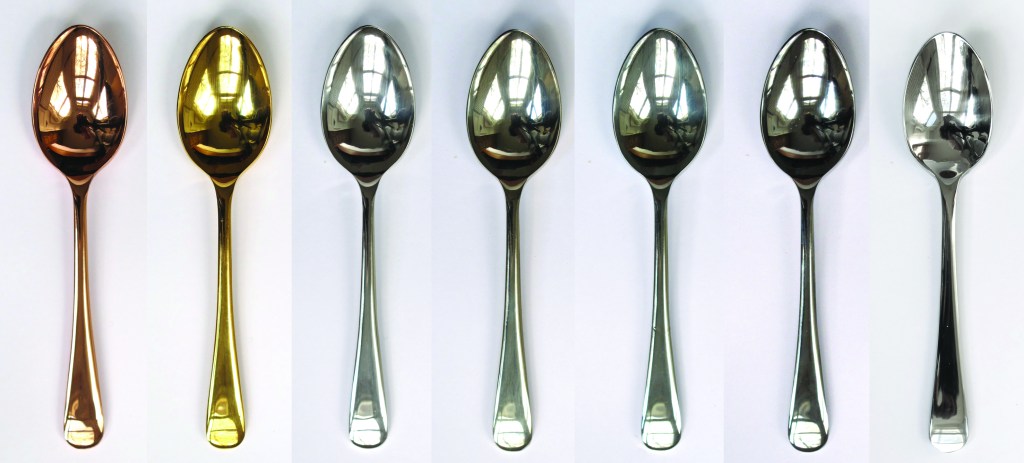
Different metals change the flavor of the food. More than you might think, especially if like me you’ve been dining from stainless steel your entire life. This fantastic post and accompanying Gastropod podcast will, if you’re like me, inspire you go go in search of less-expensive gold plated spoons. My lovely wife humored me and found a set of four for around $40 but I don’t know the source. Sorry. Don’t be fooled by gold-colored ones made from a titanium film – no idea how that’ll taste.
One spoon ruled them all, however: as Laughlin put it, “The gold spoon is just sort of divine. It tastes incredibly delicious and it makes everything you eat seem more delicious.” After tasting mango sorbet off a gold spoon, Laughlin told us, with a note of regret in her voice, “I thought, I can’t believe I’m ever going to eat off anything other than gold ever again. Sadly, of course, I do.”
https://gastropod.com/episode-1-the-golden-spoon/

I miss flying. The higher land-use density and cost of living here in San Diego combine to keep me grounded but the dream endures. A co-worker flies powered paragliders like these, basically a small gas motor + prop worn like a backpack plus a glider wing. As usual, Wikipedia has a decent article about them.
(Aside: Please donate to Wikipedia! Can you think of any other site on the internet that has stayed true to its mission, useful and honest? Short list, isn’t it? Do us all a favor and toss them a few bucks. I too find the Jimmy ads annoying but still donate every year.)
I find paramotoring compelling – the equipment is small and affordable enough to be purchased and carried around in the back of an SUV or trailer hitch carrier. You’re even more constrained by weather and flight rules; it’s really recreation only. That matches how I flew fixed-wing at the Fox Flying Club, though, so no worries there.
Anyway, I’ve been keeping an eye out and it looks like the electric vehicle revolution has made it to paragliding – and open source no less! Voila, OpenPPG.
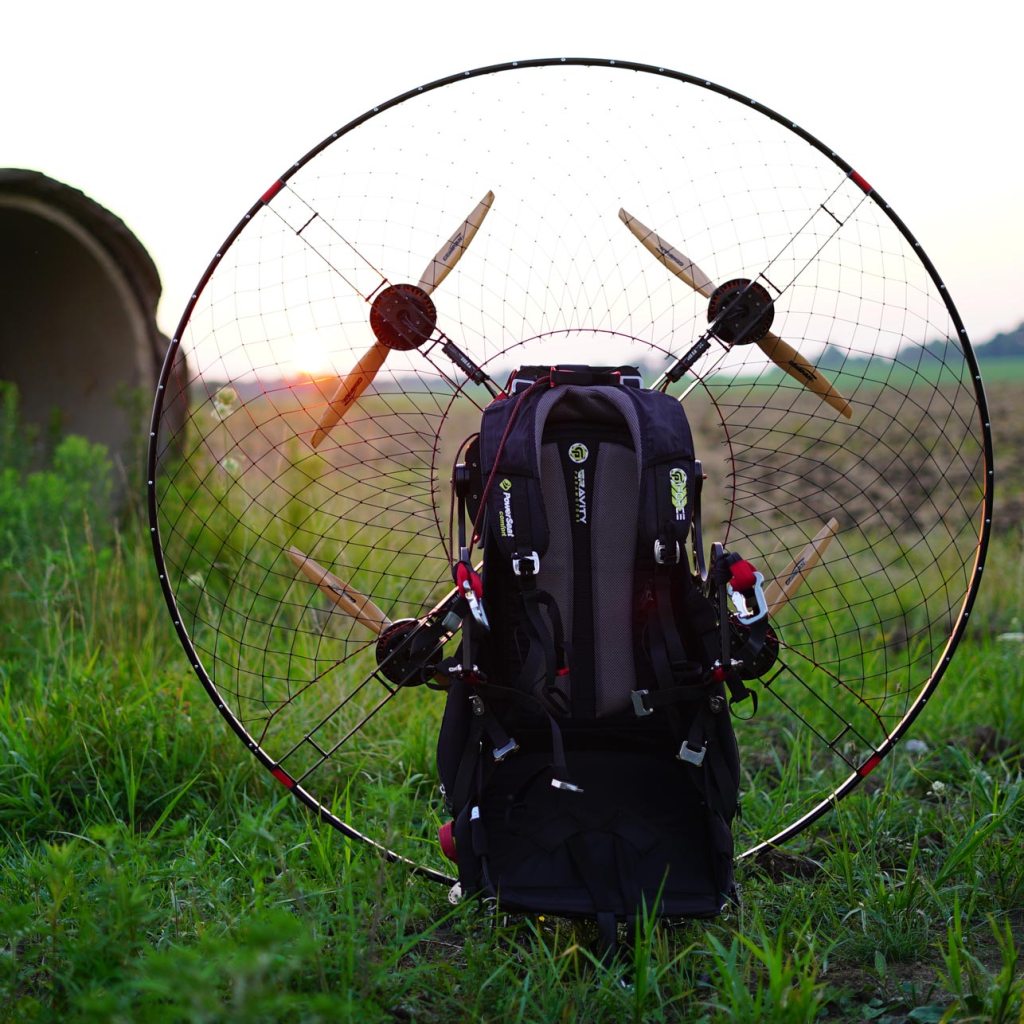
It’s what you think it is, a scaled-up drone-style quadcopter. It folds down, packable into the back seat of a car. You can scale the battery pack from about 20 to 40 minutes of flight, with all of the advantages of direct-drive motors. I so want one.
So now I gotta convince my wife and get lessons. Co-worker went to this place and recommends them if you’re in the San Diego area.
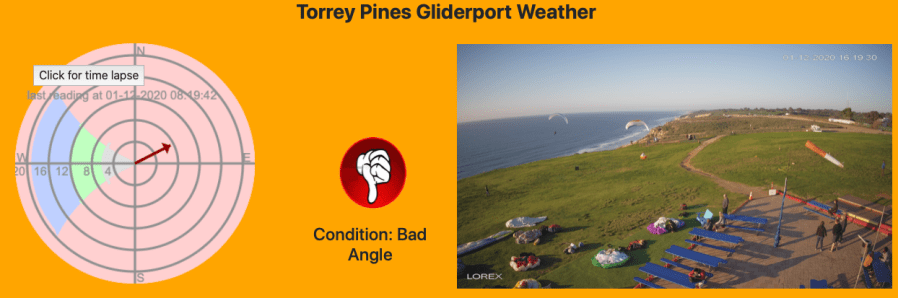
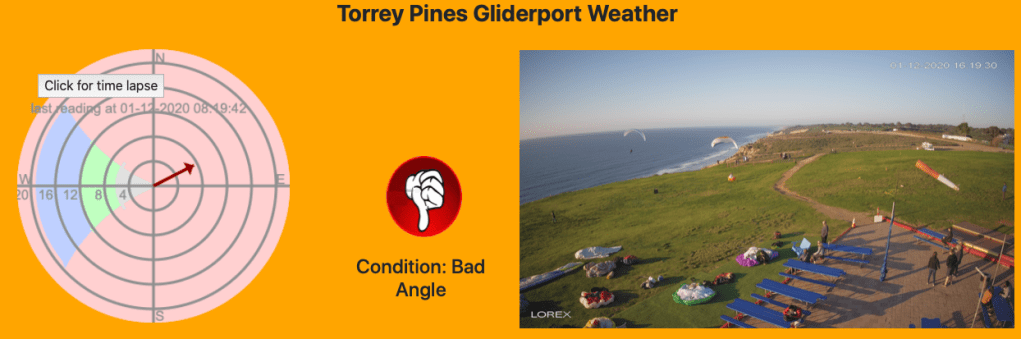
On a related note, the local glider port has a nice, Raspberry-Pi-powered site showing glider conditions. As I write:
We’re on our third Synology NAS. We got a 2-bay in 2015, a 4-bay in 2017 and an 8-bay in 2019.I’ve used the NAS migration built into their software to migrate the data from NAS to NAS, so when I got a volume-full warning I simply ordered two more WD 4TB drives and dropped them in, assuming I could grow the volume.
Nope. 16T limit, not the 18 expected. There’s an issue with migrated volumes with no known fix. Here’s the workaround, which took two weekends of fiddling/waiting:

One very enjoyable job years ago had me writing LabVIEW software for a new, state of the art ultra-high-vacuum mass spectrometer at the UNM Advanced Materials Lab. The instrument designer and my boss was an amazing guy named Janos Farkas, and his latest project is a very interesting idea around more-robust hyperlinks. Consent, payment, attribution – lots of ideas in there. There’s a WordPress plugin too, so I’ve got a project to add them here as well. Have a look at https://what.clink.is and see what you think.
It took few seconds for Janos to make his post available for reuse and less than a minute for Gulzar to make the request, get his website verified, accept the license offer (he knew the license terms and conditions because the license templates are published online), receive the post to his WordPress backend and publish the linked post. In the meantime, electronic records of the transaction were created both for Janos and Gulzar. The referent, linked posts, license transaction, and rights status have been given persistent identifiers and are trackable in the CLink registry.
https://what.clink.is
So I’m working on a project at work where I want to rebuild my code whenever I save a source code file. Today I found the tool ‘entr’ and it’s a great thing to learn about. (I should totally send this to Julia Evans!)
All I needed to do is run
ls *.src | entr make
And that’s it. It’ll re-run make every time I save from the editor. Simple, helpful, open source.


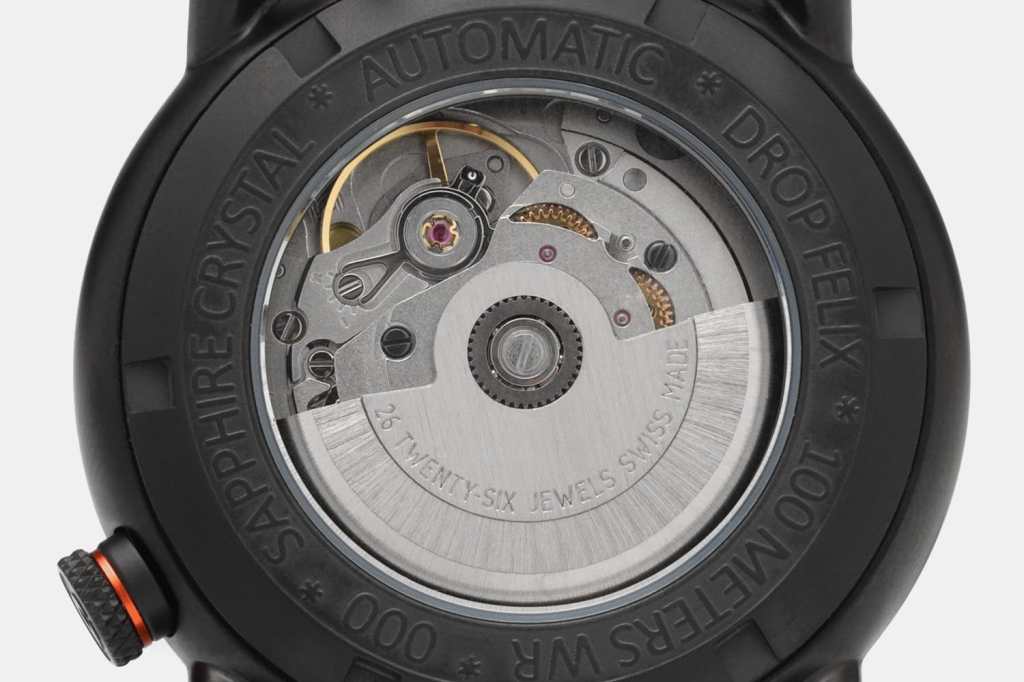


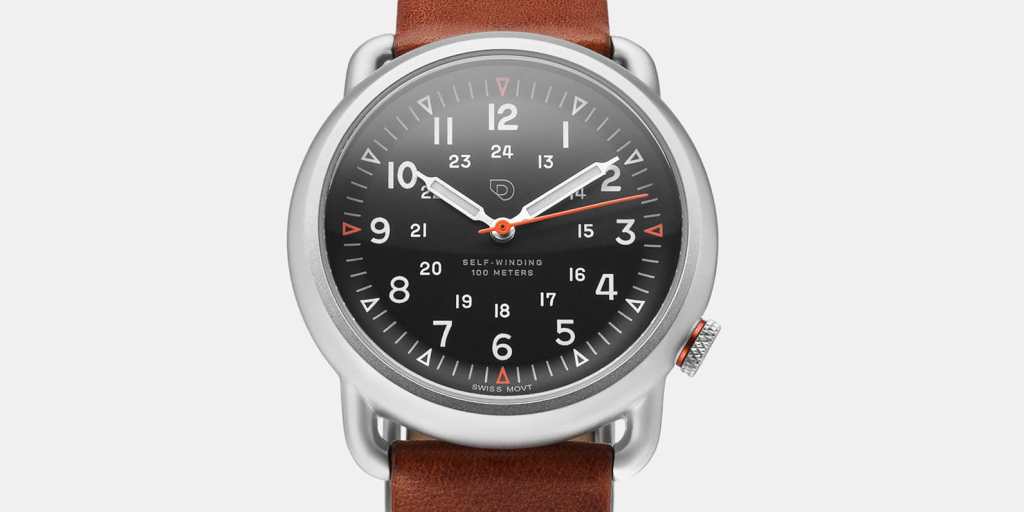


Way back in 2012 (or was it 2011?) I exchanged a few emails with Leo Padron about starting his own watch company. At the time, he was restoring vintage watches and had the urge to start his own brand. He’d found my “Design and make your own watch” page and I wrote a blog post about him as well (lost due to Confluence’s shitty export code).
This month, he emailed me with an interesting update. He’s at Drop now and designed a field watch, the Felix.
The Felix is here on Drop; the image gallery above is from their site. Specs, also from their site:
That’s a decent MSRP, and very good to excellent IMHO at the $300 preorder price. I quite like the rounded shape for comfort, and at 39mm this should wear like a dream. It’s got enough design in it to not be boring or me-too as well. Good lume, well sized hands, and a delightful ring of color on the offset crown too.
On the minus side, I’ve never been a fan of the 13 to 24 numbering on a dial, though that’s a pretty small complaint.
Nice work Leo!
Three long reads – or at least bookmark:
Takeaways? Install pi-hole at home, use 1Blocker on iOS, uBlock Origin on your desktop, reconsider if you use Android at all, and always have a 6-digit PIN on your phone. It’s probably worse than you thought.

Check this out:

In July of 2018 I paid $244 to a company called Adrionics for a chunk of PVC stuffed with electronics, the PA-II:
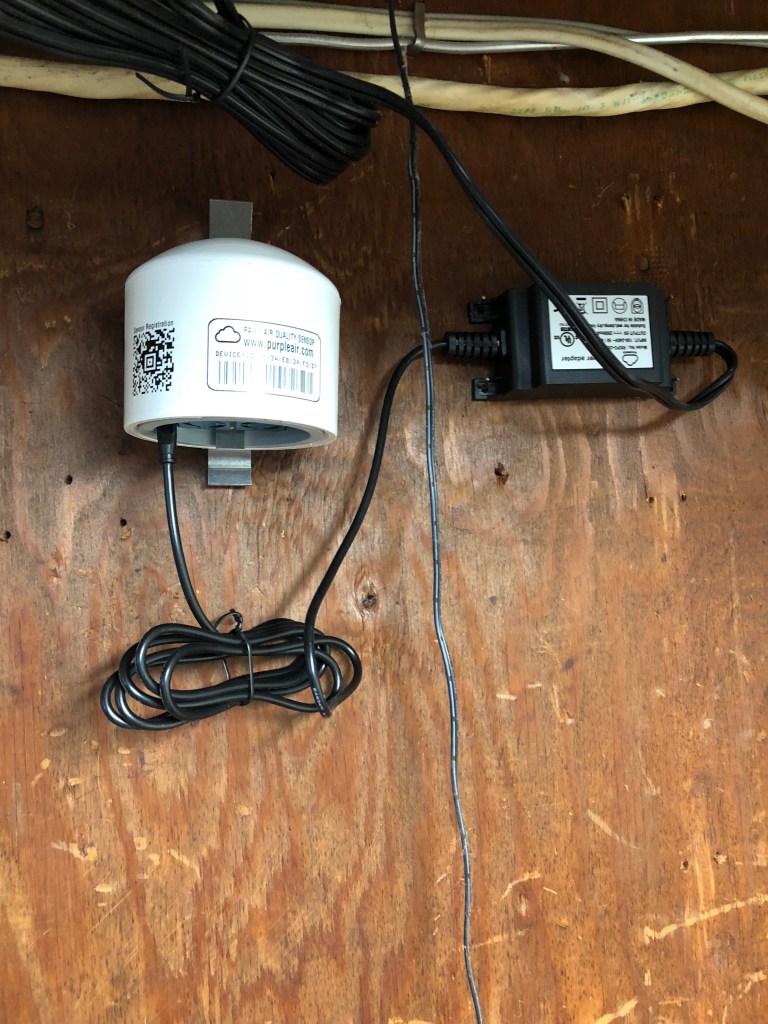
It’s a sophisticated, lab-grade piece of hardware – twin laser-based light scattering particulate sensors, and it measures how much junk is in your air. In particular (a pun I am delighted with), the “PM2.5” size range most important to your health and lungs.
It’s rated for indoor or outdoor use. I put mine next to the garage door mainly due to the difficulty of running a power wire outside. Outside is better but you could benefit by having indoor and outdoor if you’re feeling fancy.
You can read about the PMS5003 sensor here, it’s pretty nifty. The PA-II uses twin sensors so you can plot and compare the two readings and thus get better data:

Science! You can connect directly to the sensor (it uses WiFi) and see the full details as well as temp, RH% and breakouts of counts per size range.
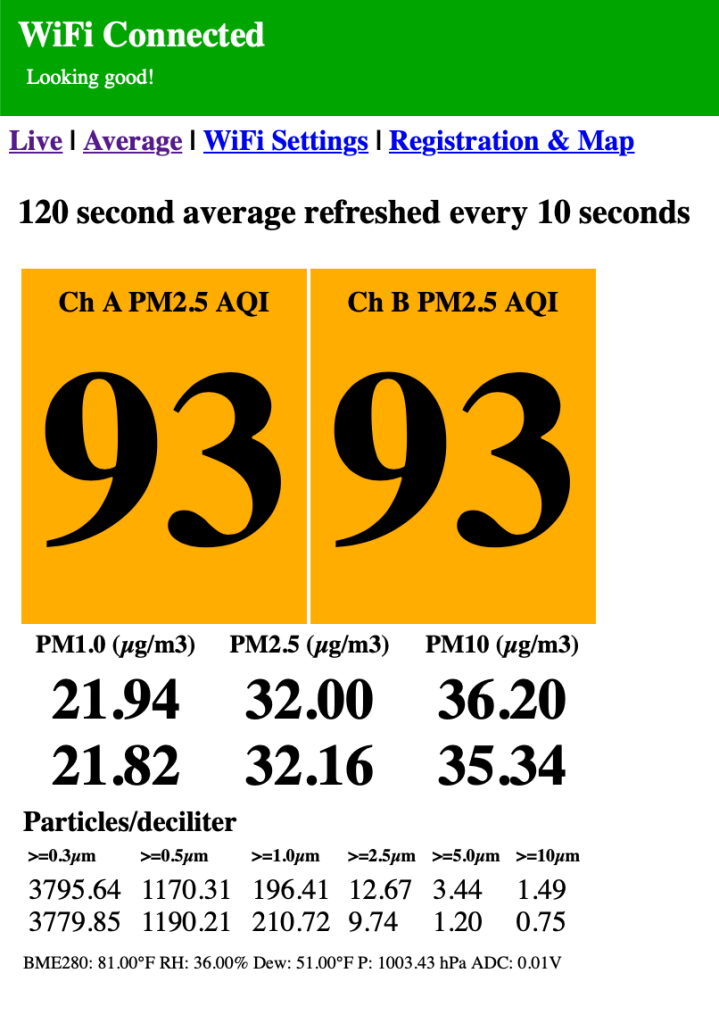
And even if you don’t own one, head over to https://purpleair.com/ and try their map – you can see see local and regional quality at a snap, as with the top image in this post. I can tell, for example, that we’re in fire season as the quality is usually much much better. And if your health is affected (asthma, seasonal allergies or the like) then a sensor makes even more sense. There are other ‘smart home’ air quality monitors with designer enclosures; I don’t recommend them. Do your own research but I found that PurpleAir was a guy who started making these for himself and then for others who asked.
Which, yeah, is a lot like Paul Scurfield in another post in this series. Or Dan Fock.
Each sensor automatically shares its data so you benefit others too – I like that. I’ve done a few experiments with cheap air quality sensors and have come to believe that you can’t get good data without spending a chunk of money, so while this is a non-trivial expense I consider them a good value and recommend buying one.
Or maybe check the map – if someone nearby has one already, then just bookmark the map and benefit from some citizen science.
How to repair a Seiko 7S26 Automatic wrist watch
— Read on www.clockmaker.com.au/diy_seiko_7s26/
Fantastic! Free version of the timezone watch school.

An random Sunday morning will find us at the Hillcrest farmers market. Been going for about 14 years now.



So a few months ago I bought macro and wide lenses from Moment for my iPhone X. They work great and I was hoping to get a few years from them but Apple changed the 11 and to everyone’s surprise added wide. It’s great! Here’s normal and wide at work.


Conveys place well.
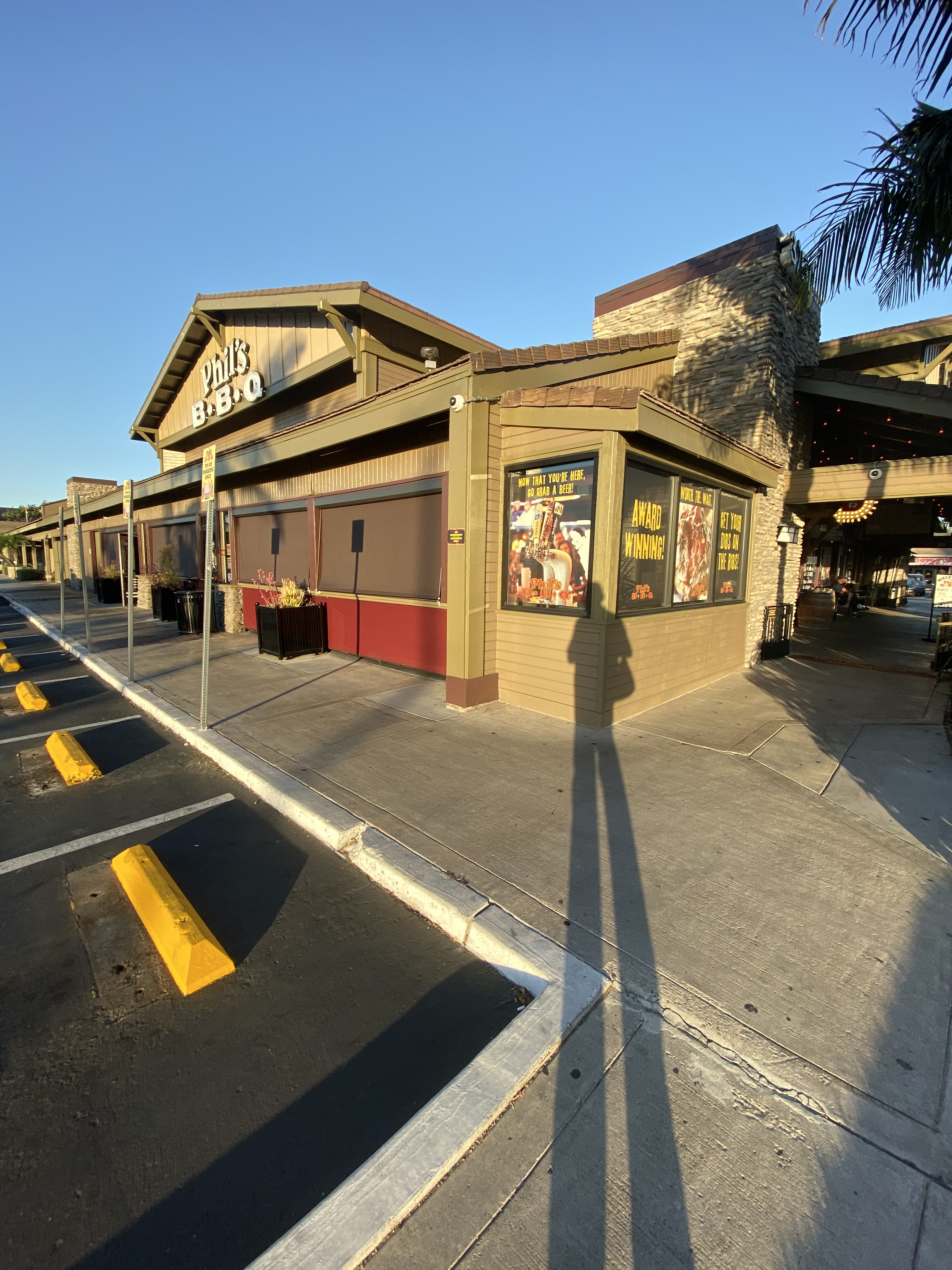
And nothing to carry etc. anyone want some moment lenses?

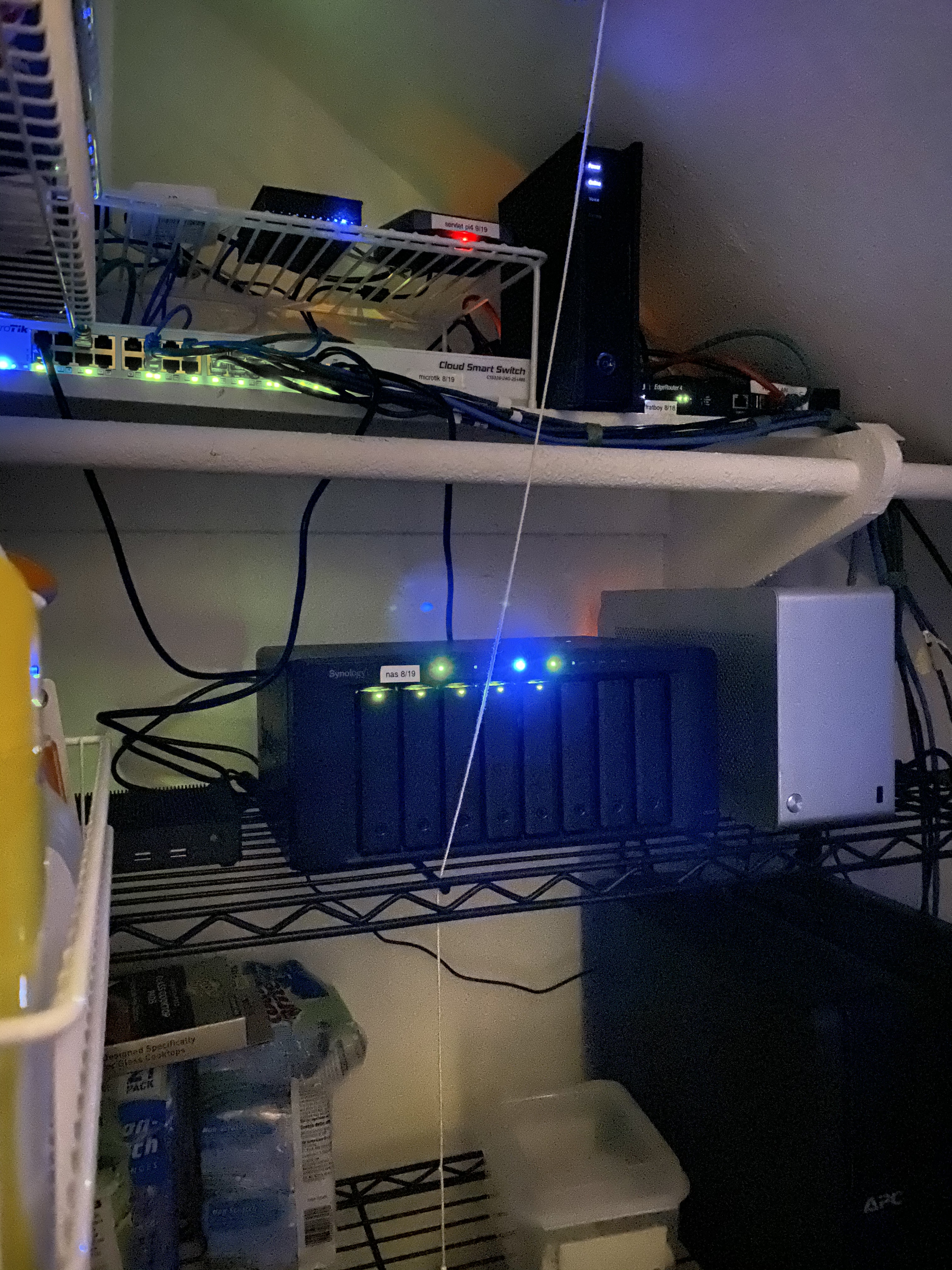
Impressive. Both dark to the eye.

 ultracrepidarian